EMSAGS Presents Project Results at Final Stakeholder Platform Meeting
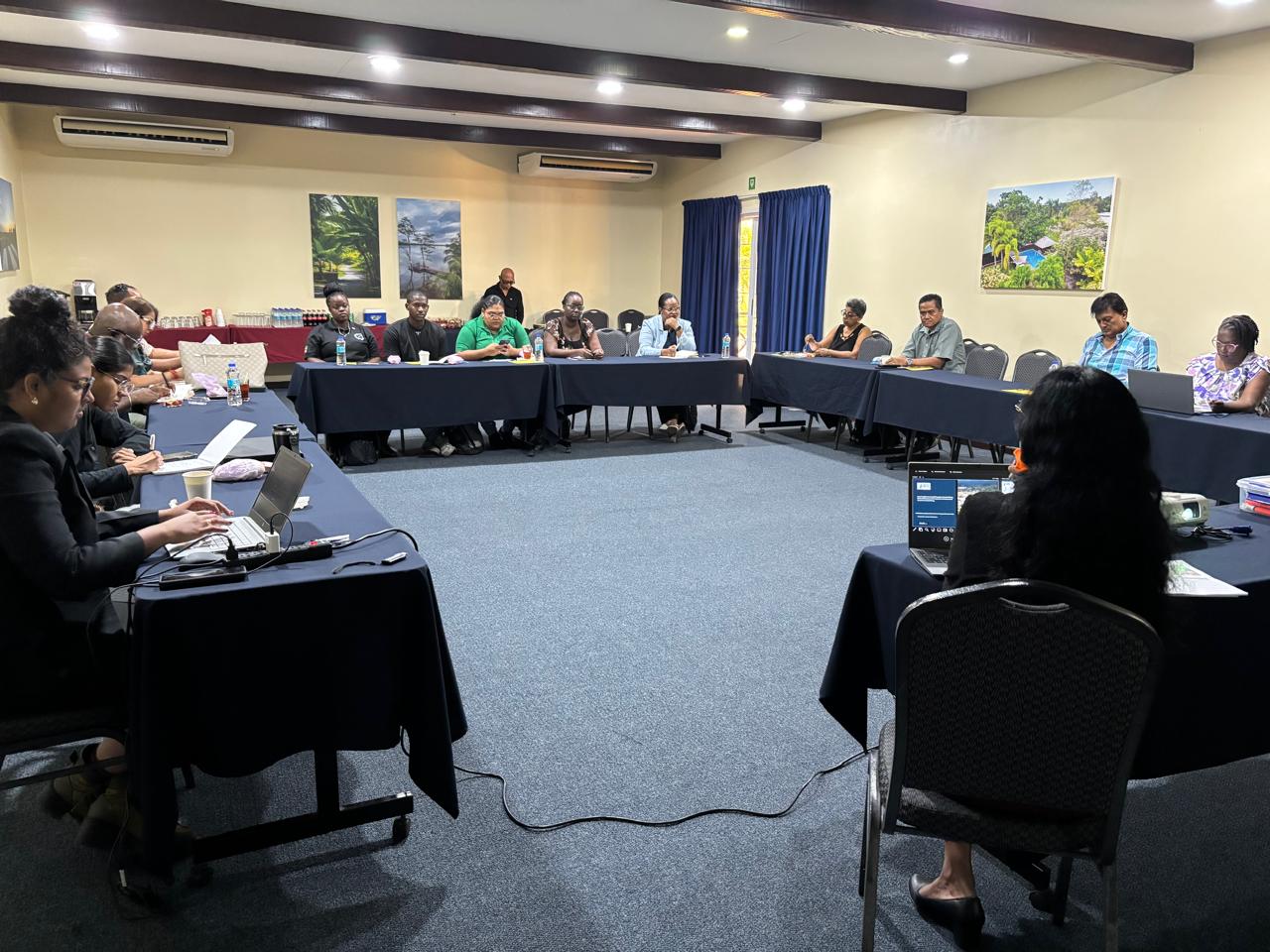
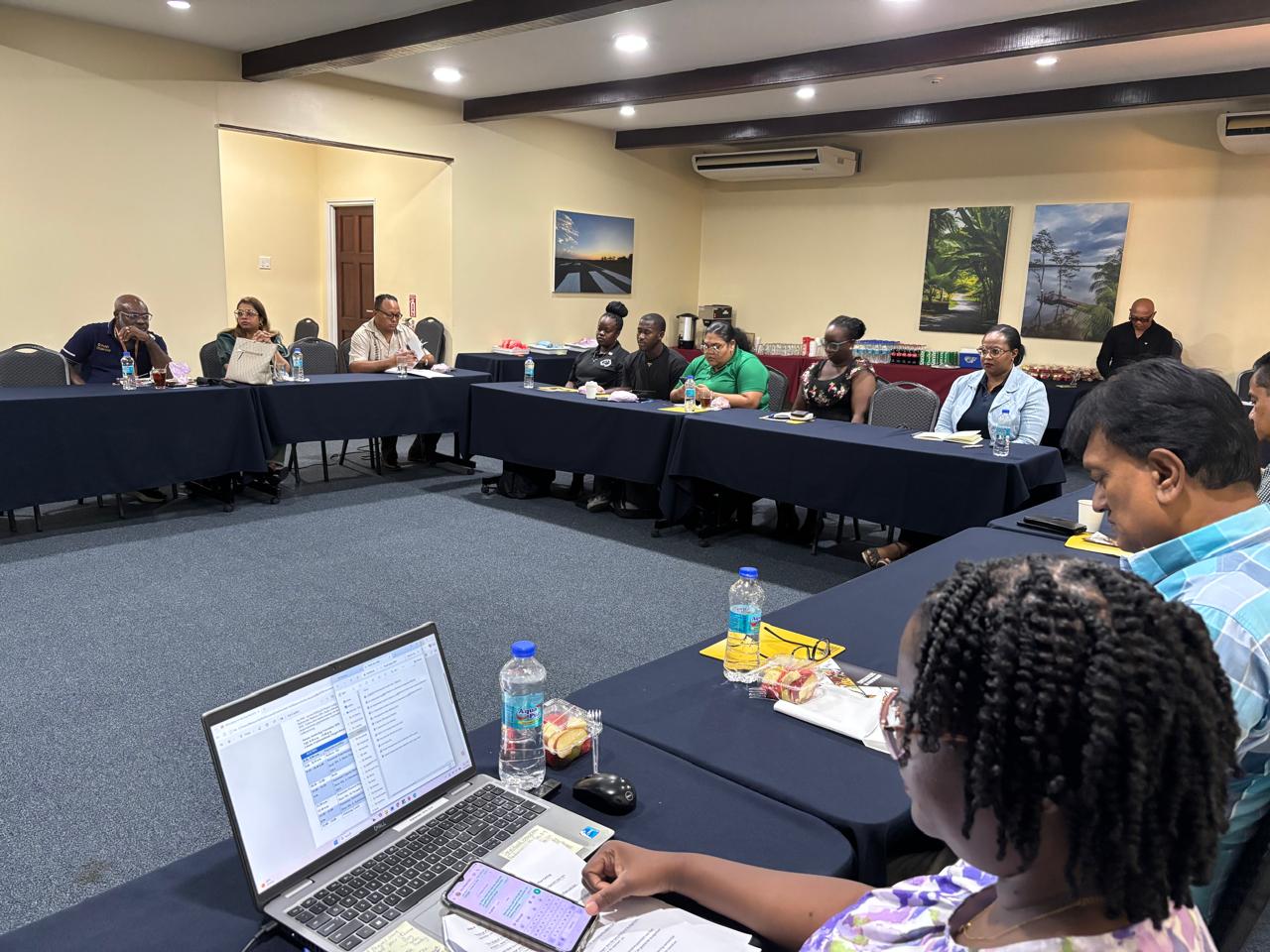
After eight years of implementation, the project Improving Environmental Management in the Mining Sector of Suriname, with Emphasis on Artisanal and Small-Scale Gold Mining (EMSAGS) is nearing its completion. During the final Stakeholder Platform Meeting on November 5, 2026, the Project Management Unit (PMU) presented the key results and developments of the project, which will officially conclude on November 24, 2026. Since its launch in 2018, EMSAGS has worked to improve environmental management within the artisanal and small-scale gold mining sector, promote environmentally responsible mining technologies, and mitigate the negative impacts of gold mining on forests and biodiversity.
The project activities focused on four interconnected result areas:
1. Strengthening the institutional and technical capacity of stakeholders EMSAGS invested in building the knowledge and capacity of relevant stakeholders within the mining sector. To achieve this, training needs were identified, training materials were developed, and training sessions were conducted. Attention was also given to monitoring the impacts of small-scale gold mining on forests and biodiversity.
2. Strengthening government policy and planning for environmental management in small-scale gold mining The project provided support for the revision of the Mining Legislation, including consultations with national stakeholders and the development of implementing decrees. Additionally, work was carried out on monitoring compliance with mining rights and establishing structures for supervising adherence to environmental guidelines. Other key activities included the finalization of the National Action Plan for Artisanal and Small-Scale Gold Mining (NAP ASGM), and the development of a mining strategy and action plan (Responsible Mining Strategy and Action Plan).
3. Introduction and promotion of environmentally responsible mining technologies A major achievement is the establishment of the Mining Training & Extension Centers (MTECs), which provide opportunities for knowledge transfer, training, and technical support. A significant milestone was the commissioning of the MTEC at Snesi Kondre on March 27, 2026. Furthermore, efforts were made to demonstrate eco-friendly gold extraction technologies. In October 2026, the demonstration facility for mercury-free gold extraction at Roma East, Brokopondo, was technically commissioned. Realized in collaboration with Rosebel Gold Mines and Kamp Mining, this facility offers small-scale gold miners the opportunity to become acquainted with alternative gold processing methods.
4. Knowledge exchange on environmentally responsible mining technologies at national and regional levels Through communication, awareness-raising activities, and knowledge exchange, EMSAGS contributed to disseminating information about environmentally responsible mining technologies. Investments were also made in monitoring and evaluation (M&E) and in strengthening networks to share acquired knowledge and experiences at national and regional levels. An example of collaboration and knowledge transfer was the capacity-building program in the Paamaka area, carried out in partnership with Newmont. Community members and small-scale miners received practical training in entrepreneurship, agriculture, marketing and branding, and outboard motor repair.
The implementation of EMSAGS experienced a difficult start, partly due to delays in project startup, the COVID-19 pandemic, and limited staffing capacity in the initial phase. Following the Mid-Term Review in 2021, targeted measures were taken to improve and accelerate execution. From 2022 onward, significant progress was made to catch up, driven by sharper prioritization of activities, strengthening of the project organization, and closer collaboration with implementing partners and stakeholders.
During the final Stakeholder Platform Meeting, Project Coordinator Sandra Bihari, speaking on behalf of the PMU, expressed her gratitude and appreciation to all members of the Stakeholder Platform and collaborating partners for their years of commitment, support, and constructive contributions. Their expertise and dedication played a vital role in addressing challenges and achieving the project's results.
With the conclusion of EMSAGS, significant outcomes—including strengthened knowledge and capacity, policy instruments, training facilities, and demonstration opportunities—are left behind as a foundation for further steps toward a more environmentally responsible and sustainable small-scale gold mining sector in Suriname.