EMSAGS promotes sustainable livelihoods in the Paamaka area
The EMSAGS project, in cooperation with Newmont Suriname, is carrying out the program "Capacity Building of Local Communities." The program offers training to local communities and entrepreneurs in the Paamaka area (East Suriname), tailored to their needs. From April through September 2026, micro-entrepreneurs receive support in strengthening their knowledge, skills, and business capacity. The goal is to support alternative livelihoods and thereby reduce dependence on small-scale gold mining. The training takes place in the field and at the EMSAGS Mining, Training and Extension Center (MTEC) in Snesi Kondre.
Strengthening economic resilience
In addition to agricultural guidance and capacity building, the program includes branding & marketing, business management & financial planning, and hands-on training in welding and excavator operation. This helps entrepreneurs professionalize their operations, market their products and services better, increase their income opportunities, and strengthen their long-term economic resilience.
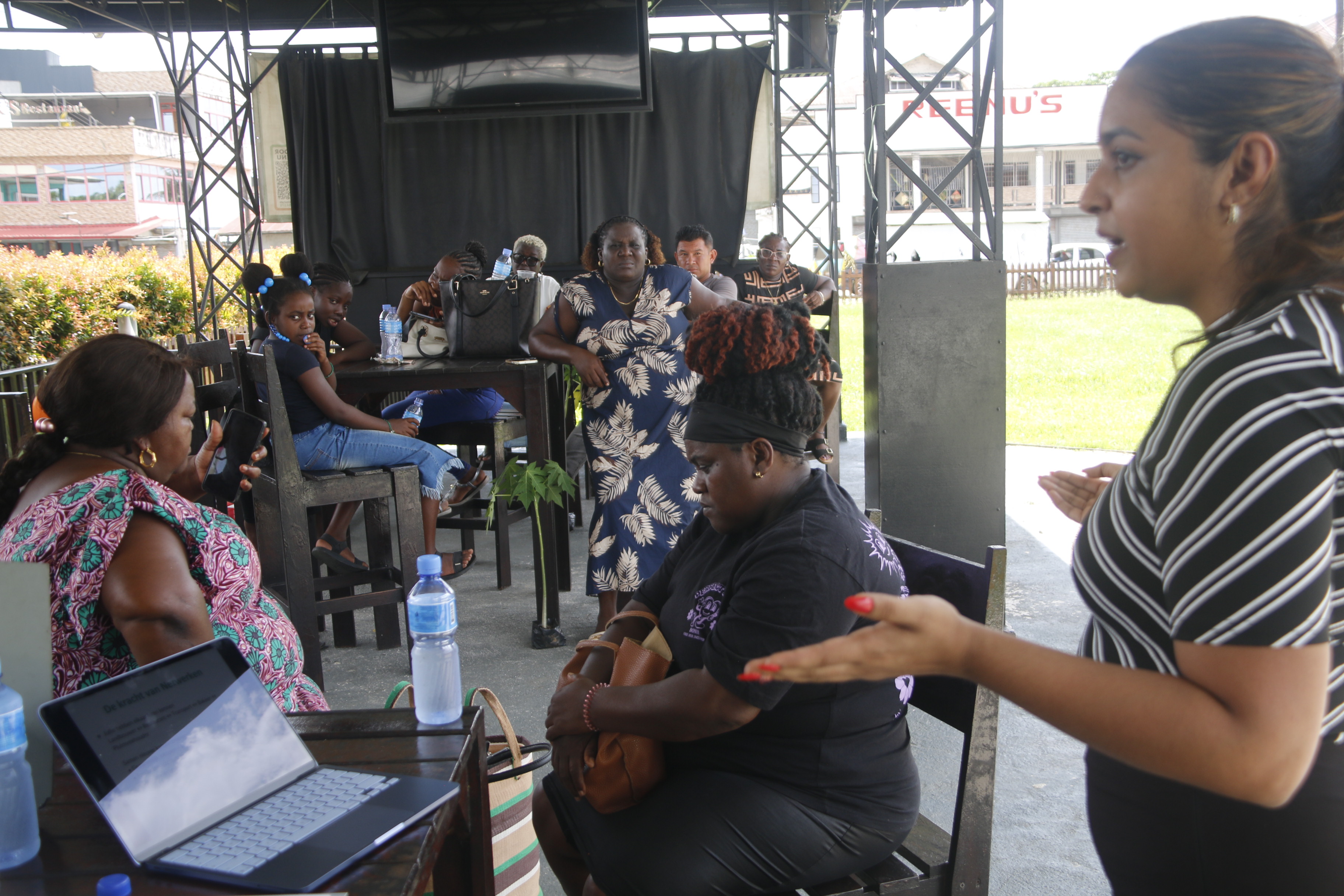
Farmers receive targeted guidance to improve their knowledge and production and to develop their businesses further. Group training is combined with practical guidance on their own plots. Topics include soil management, irrigation, sustainable cultivation, plant propagation, and compost production. The program also looks at which crops are commercially interesting. The ultimate goal is to make farmers less dependent on a single source of income. They are guided step by step toward more commercial and future-proof agricultural production.
Agricultural capacity building
Six selected farmers receive individual guidance and field visits from agricultural trainer Sastrokromo Soemiran and the EMSAGS project team. For each farm, the current situation, bottlenecks, and opportunities for development are assessed. Based on this, a tailor-made support plan is drawn up.
Beginning farmers were not the only ones selected. Farmers who are already doing well or show promise also receive support to grow further. Jerrel and Walter Deel already have well-developed plots of over 1 hectare, with lime, sweet orange, and pineapple. Expansion is possible, but water supply is a bottleneck because their land lies at a higher elevation. Pruning and soil cultivation techniques also need improvement. At Jerrel's farm, high-quality planting material will also serve as a model nursery for other farmers in the Paamaka area. "My plants are growing well, but I know it can be better with good pruning and good irrigation," he says.
The added value of this approach lies in the combination of learning and applying. The guidance doesn't stop after the group training: on the farmer's own plot, the trainer and the farmer look together at which solutions are practically feasible. In this way, general agricultural knowledge is translated into concrete measures for irrigation, soil management, crop selection, plot layout, and expansion of production, among other things.
Business visit to Lelydorp
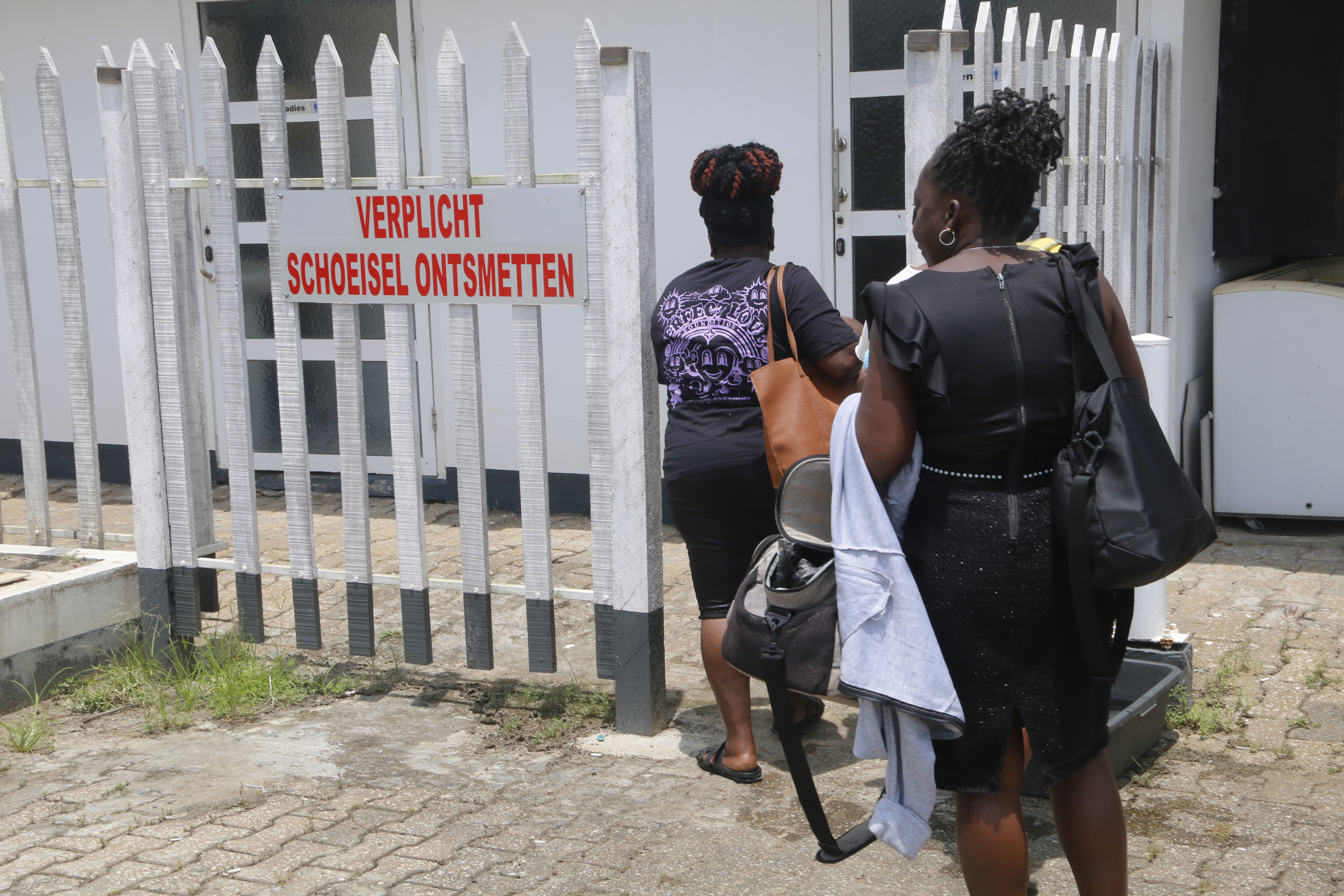
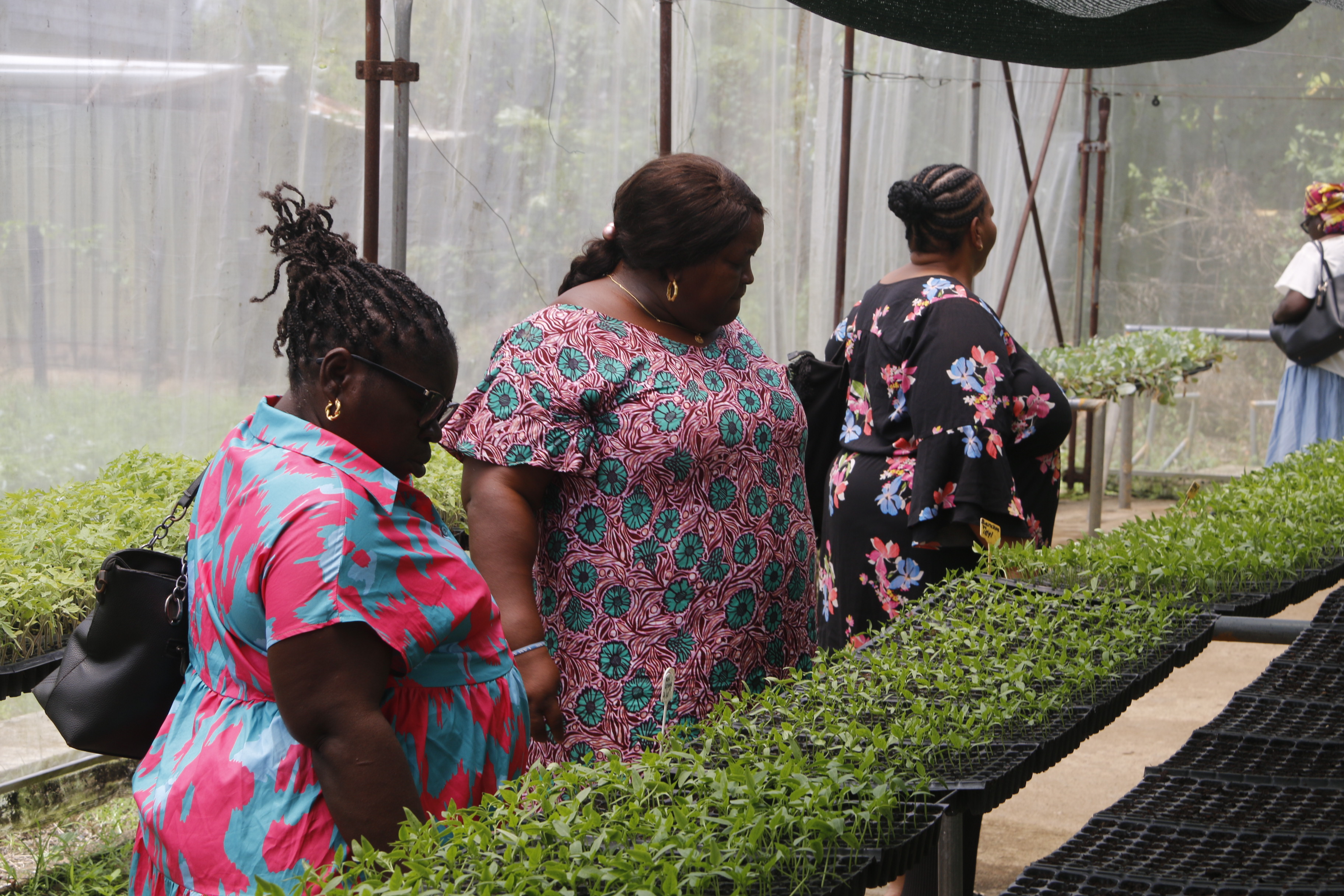
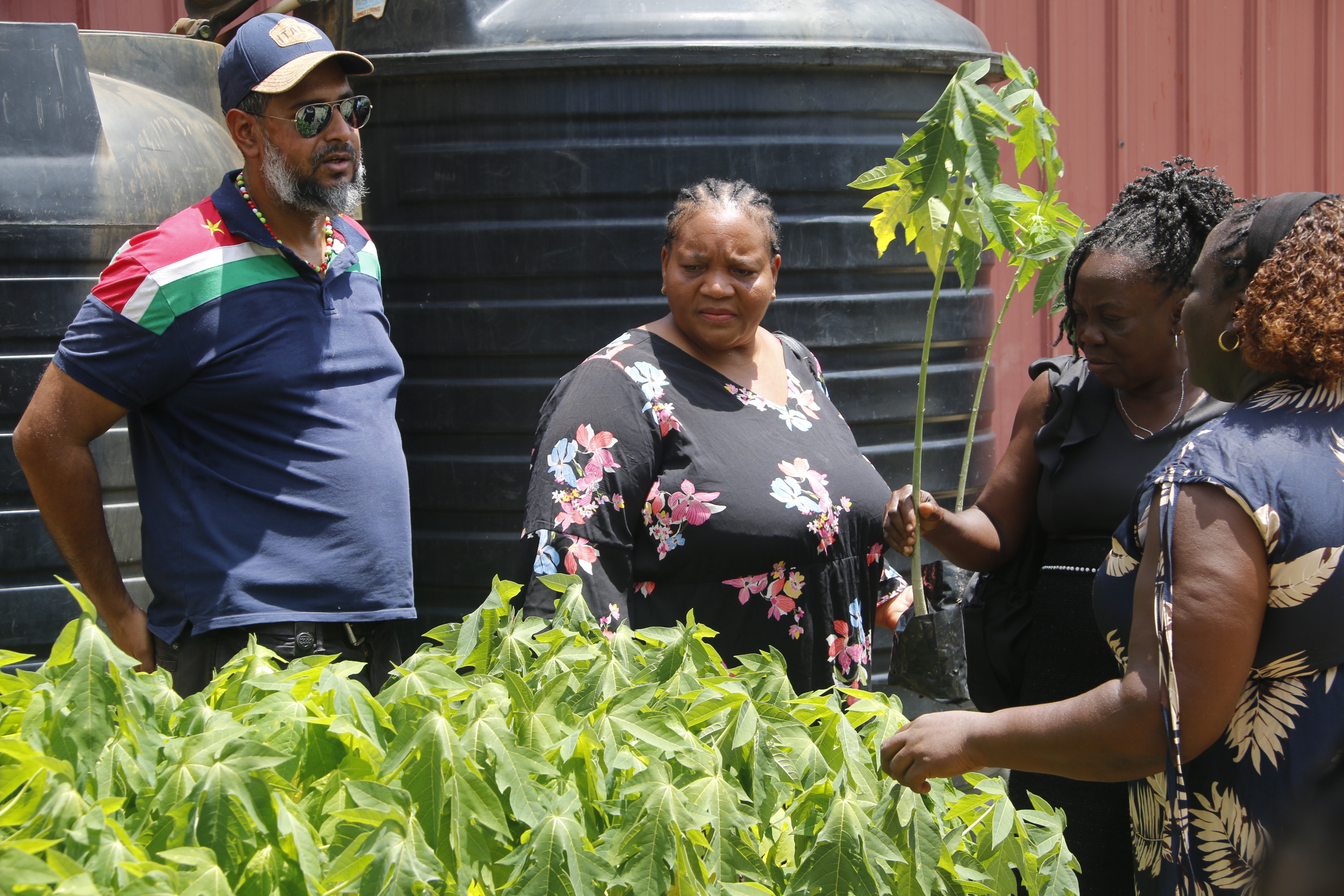
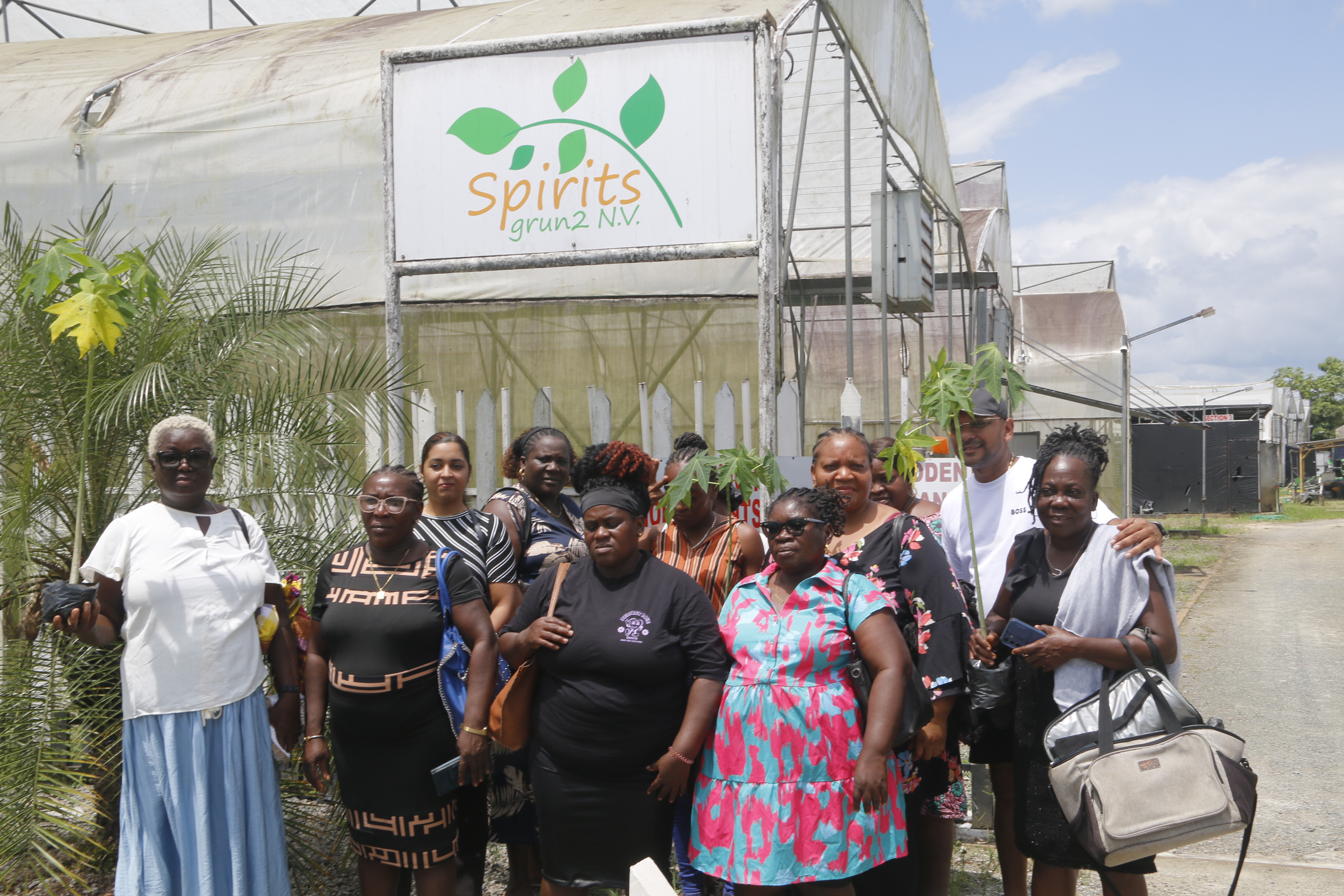
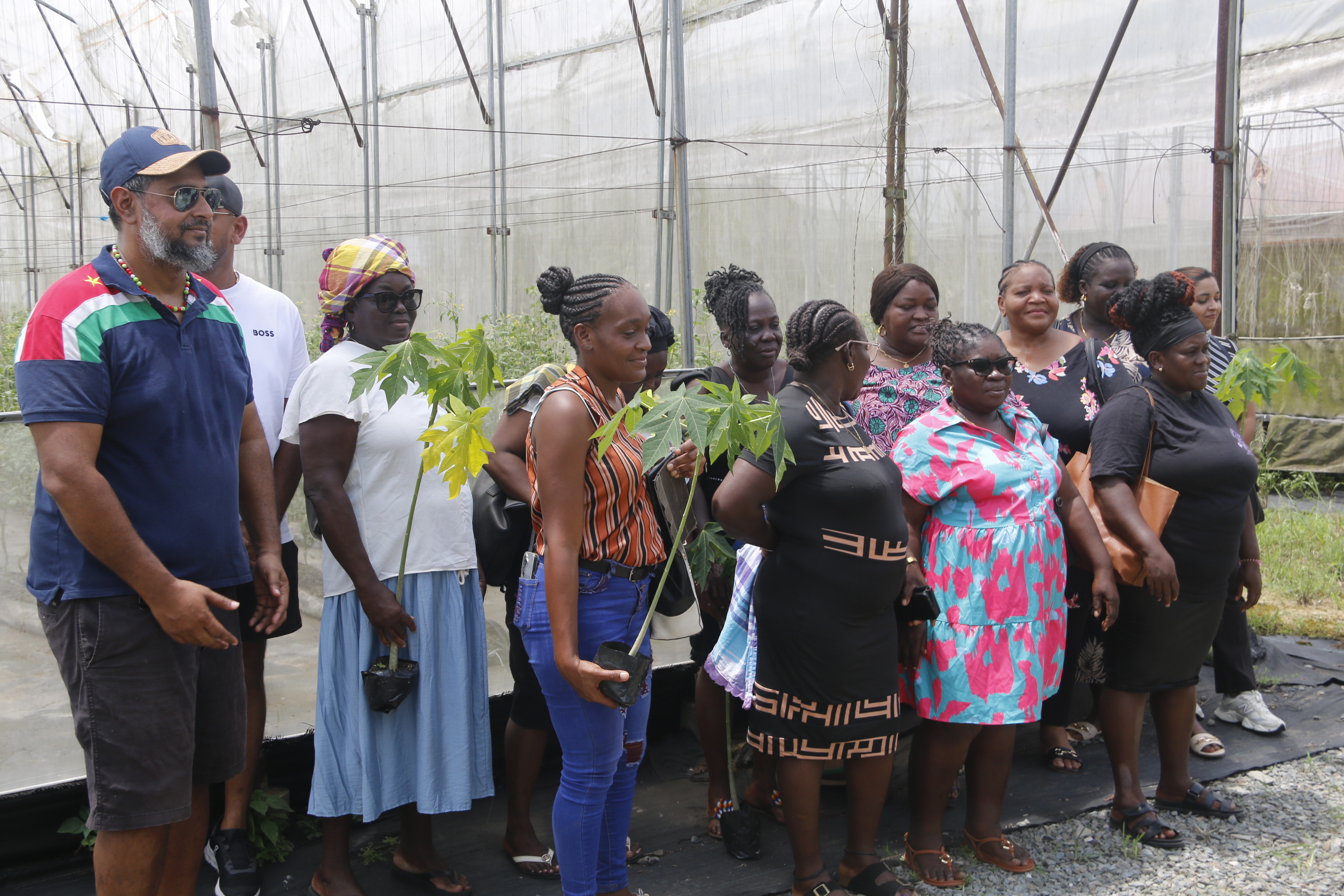
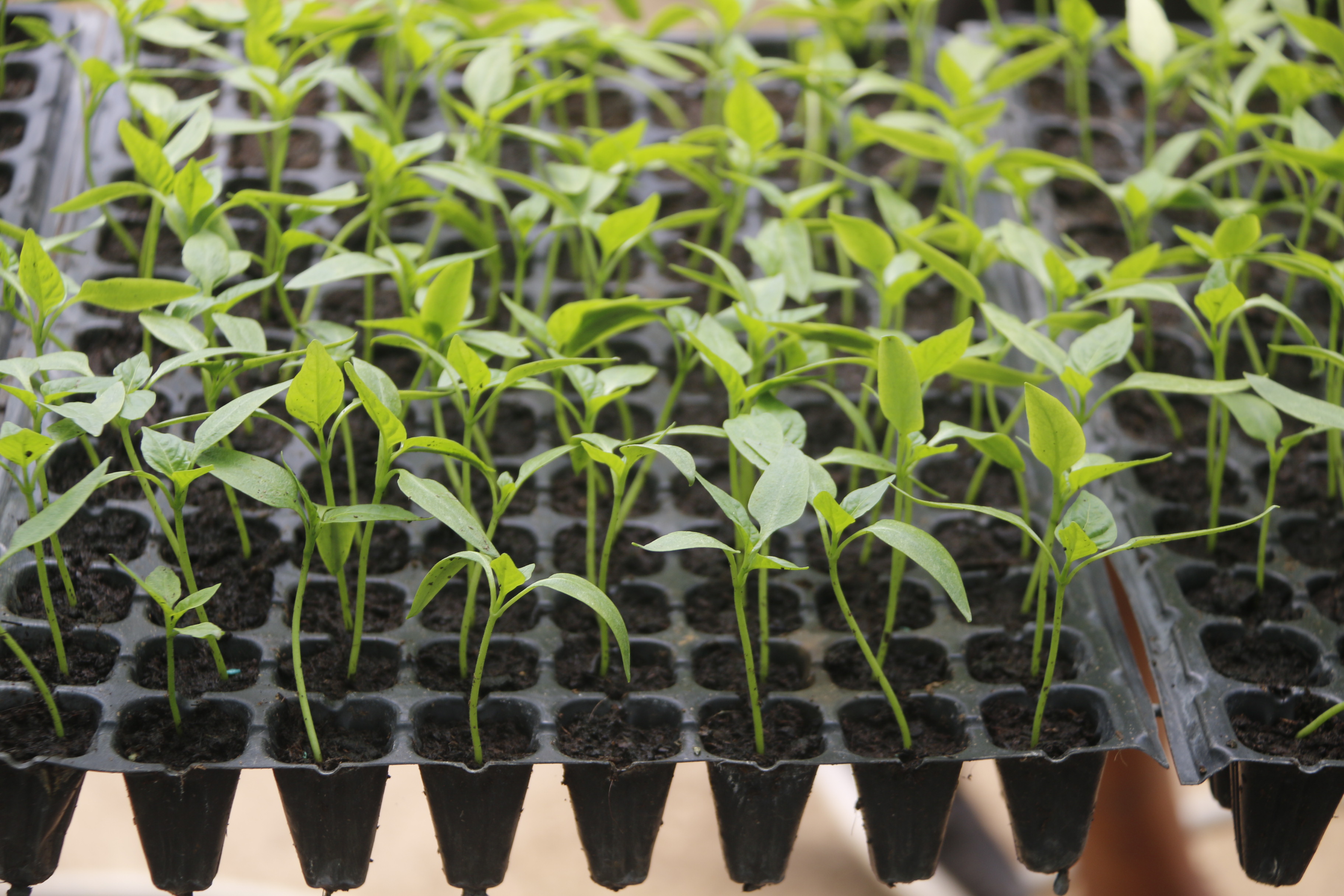
In early August, twelve female micro-entrepreneurs, mainly women farmers, from the Paamaka area visited the greenhouse farming company Spirits Grun2 NV in Lelydorp. The visit was part of the "Entrepreneurship Session with Peers." Spirits Grun2 grows tomatoes, bell peppers, hot peppers, lettuce, and soup vegetables, among other things. The visit was meant above all to inspire the micro-entrepreneurs to keep going. Because most of the participants are farmers, an agricultural business was chosen that started small and has since become a major supplier.
Kendo Wandelaars lives right by the river in Paamaka. Because she regularly deals with flooding, she plants her crops in containers. These are mostly spices that she uses for the food she sells. At Spirits Grun2, she was introduced to a different way of growing. "I discovered that you can achieve a lot even with a small piece of land. The visit gave me the push to approach planting in a better and bigger way."
On Friday, 11 September 2026, equipment, including drones and printers, was handed over to the Gold Sector Regulation Commission (OGS) to support the registration of small-scale gold miners in Brokopondo and the area along the Saramacca River.
The handover forms part of the Pilot Project for Registration of Small-Scale Gold Miners in Brokopondo District and the Saramacca River Area. Through the use of drones, printers and registration materials, the project aims to generate reliable data on Suriname’s small-scale gold mining sector. The registration project is intended not only to provide insight into the number of active small-scale gold miners and the locations of mining activities, but also to provide OGS with practical experience for the implementation of a nationwide registration system.
Activities under the project commenced in June 2026 and are financed by the EMSAGS Project. The drones play an important role in mapping and monitoring mining areas, while the printers and other registration equipment support the recording and processing of data and the production of registration badges. In addition to drones and printers, EMSAGS is financing field equipment for staff, vehicles and the necessary ICT equipment to support the registration teams in carrying out their work. The total value of EMSAGS Project support for the registration activities exceeds USD 400,000.
During the handover, the importance of reliable data for policymaking and management of the sector was emphasized. “Measuring is knowing. When we have reliable data, we are better able to determine who is active, where activities are taking place, and what support and measures are needed”, said Preciosa Simons, Director of Mining at the Ministry of Natural Resources. She emphasized that the work must continue beyond the completion of the EMSAGS Project to further support the sustainable development of the small-scale gold mining sector.
For OGS, the handover represents a further strengthening of its operational capacity. “The equipment makes it easier for our teams to carry out their work in the field and to further improve registration and data collection,” said Wilson Balansi, General Manager of OGS. Staff members have also been trained in the use of drones. Seven drone pilots are now available to operate the equipment during field activities.
The activities initially focus on Brokopondo and the area along the Saramacca River. The intention is that the experience, equipment and capacity developed through this pilot will subsequently be used for registration activities in other areas, including Sarakreek, Sipaliwini, the Tapanahony River and the Lawa River. In this way, the investment will continue to contribute to the formalization, monitoring and sustainable development of the small-scale gold mining sector even after the EMSAGS Project has ended.
This is aligned with the objective of EMSAGS to strengthen the sustainable monitoring of the small-scale gold mining sector and promote the use of environmentally responsible mining technologies.